
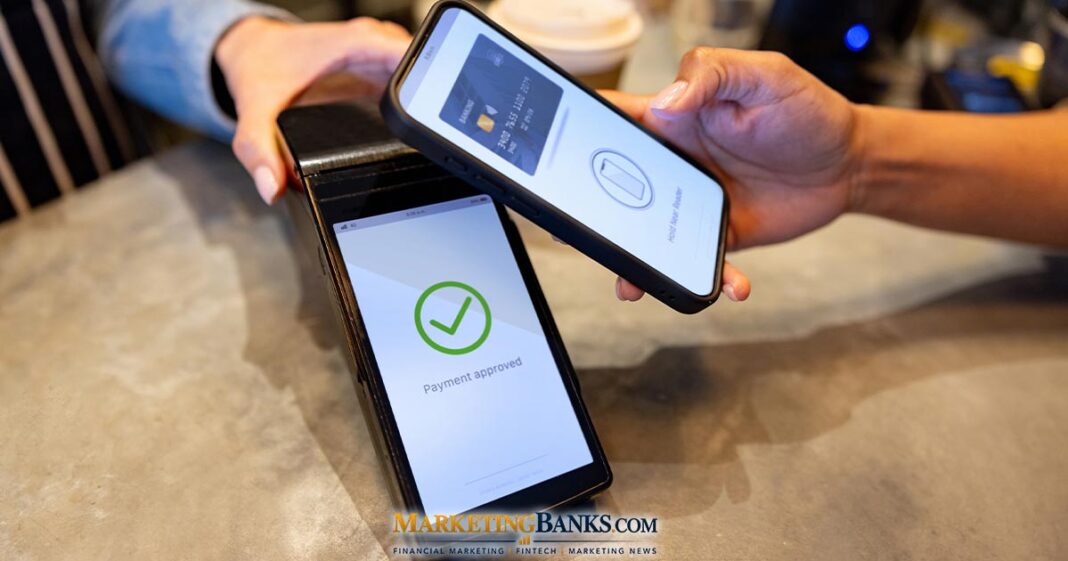
A federal judge has cleared the way for banks and credit unions to take on Apple as a group over Apple Pay fees. If your institution issues debit or credit cards that customers load into Apple Pay, and you’ve paid Apple a fee on those transactions, you likely fall inside the class.
On September 23, U.S. District Judge Jeffrey White certified a class in an antitrust case over Apple Pay. The class covers every U.S. entity that issued an Apple Pay-enabled payment card and paid Apple a fee for Apple Pay transactions on it. That’s a lot of community banks and credit unions.
The judge also turned down Apple’s attempt to throw out expert testimony that the plaintiffs say shows Apple has monopoly power over iPhone tap-to-pay wallets and over mobile wallets more broadly.
The case was first filed in 2022. Three credit unions are the named plaintiffs, represented by Hagens Berman and Sperling Kenny Nachwalter, which are now co-class counsel.
Certification doesn’t mean Apple lost. It means the case moves forward with issuers suing together rather than one at a time.
What the fight is about
Card issuers pay Apple on every Apple Pay purchase. According to the lawsuit, the fee is 0.15% on credit transactions and half a cent per debit transaction. A $1,000 credit card purchase through Apple Pay costs the issuer $1.50. The plaintiffs claim this adds up to as much as $1 billion a year for Apple.
Their argument is that issuers only pay because Apple, for years, didn’t let any other wallet use the iPhone’s NFC chip for in-store tap-to-pay. On Android, several wallets support contactless payments and issuers pay nothing for it. The suit claims Apple couldn’t charge these fees if it had to compete with other wallets on its own devices.
The plaintiffs want the fees paid back and a court order ending the policies behind them.
Apple has opened up since the suit was filed. Starting with iOS 18.1, developers in the U.S. and a number of other countries can build contactless payments into their own apps using the NFC chip.
What this means for your institution
Check whether you’re in the class. If your cards are in Apple Pay and you pay the per-transaction fee, you probably are. You may get formal notice later explaining your options, including whether to stay in or opt out. Loop in your legal team and your card processor now so nobody is caught off guard, and don’t make a decision about your participation without counsel.
Know your Apple Pay costs. Ask your card team or processor what you’re actually paying Apple each month on credit and debit. Most marketing teams have never seen this number. You’ll want it if the case moves toward damages, and it’s useful when you’re weighing how hard to push wallet adoption.
Don’t pull back on Apple Pay marketing. Whatever you think of the fees, your cardholders expect to tap their iPhone at checkout. If your card isn’t set up in their wallet, they’ll use one that is. Being the default card in Apple Pay is still one of the best ways to stay top of wallet, and the lawsuit doesn’t change that.
Keep an eye on the alternatives. With NFC now open to other apps on the iPhone, issuers have more options than they did when this case started. Tap-to-pay in your own banking app is still a heavy lift for most smaller institutions, but it’s worth asking your digital banking and card vendors what they’re building.
Be careful what you say publicly. Customers love Apple Pay. A message that sounds like you’re fighting it can backfire. If your institution decides to comment, keep the focus on fees and competition, not on the product your cardholders use every day.
The case continues in federal court in California. For issuers, the practical next step is waiting for class notice and deciding, with legal advice, how to respond. Hagens Berman has a page for card issuers who want more information on the case.